

Hear from Our Customers
You shouldn’t have to wonder if that smell means something serious or if your kids are breathing in something harmful. Professional mold testing removes the guesswork and gives you actual data about what’s happening inside your walls, under your floors, and in your air.
When you know exactly what type of mold you’re dealing with and where it’s growing, you can make informed decisions. Not every dark spot is toxic black mold, and not every moisture issue requires tearing out drywall. Testing helps you separate real problems from false alarms.
The right information also prevents you from wasting money on treatments you don’t need or missing problems that could get worse. You’ll know if you need immediate action, minor fixes, or just better ventilation. That clarity matters when you’re trying to protect your investment and keep your family safe.
We’ve been helping families across Andalusia and Bucks County understand what’s actually growing in their homes. We’re not here to scare you into services you don’t need or brush off concerns that matter.
Pennsylvania’s climate creates real challenges. Between humid summers, frequent rain, and older homes with limited ventilation, Andalusia properties face constant moisture exposure. We’ve seen how quickly small leaks turn into bigger issues when left unchecked, especially in basements and crawl spaces common in this area.
Our approach is straightforward: test accurately, explain clearly, and recommend only what makes sense for your situation. You’ll get honest answers from people who understand local building styles and weather patterns that affect homes in Bucks County.
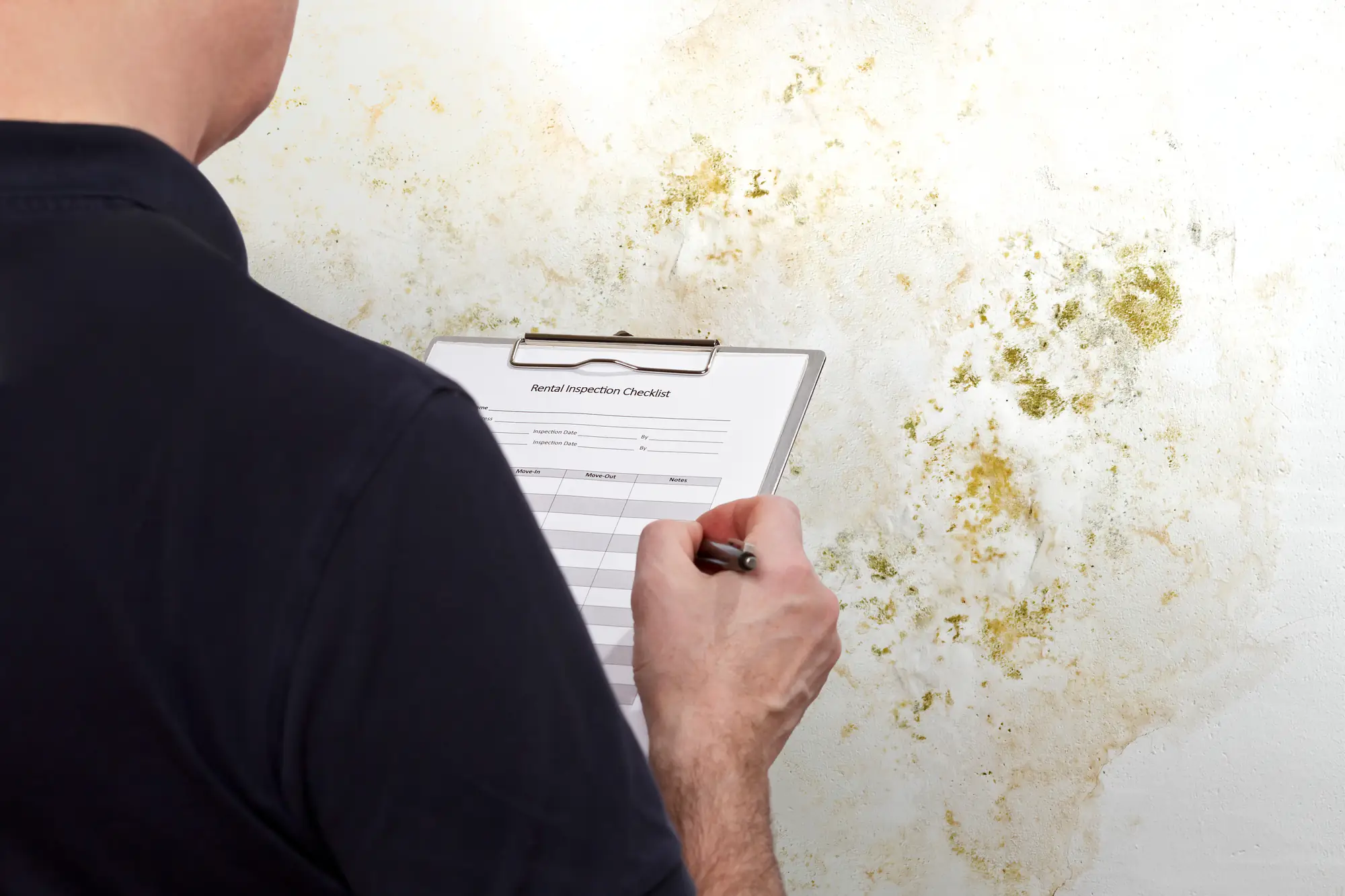
We start with a thorough visual inspection of your property. This means checking obvious areas like bathrooms and basements, but also looking at places most people miss—behind appliances, inside HVAC systems, around windows, and in attics. We’re looking for visible growth, water damage, and conditions that allow mold to thrive.
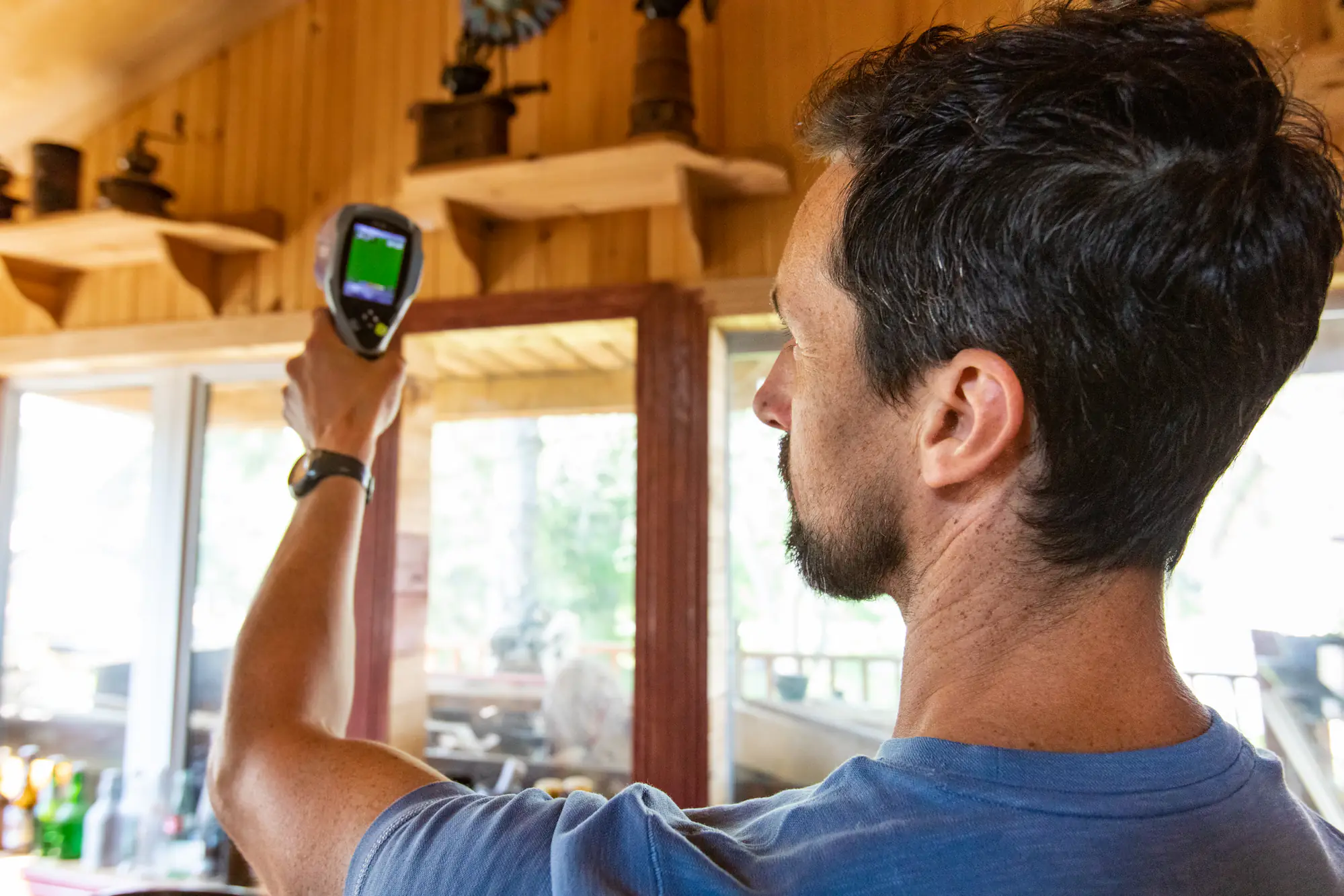
Next comes the actual testing. We use air sampling to measure spore levels throughout your home and compare them to outdoor baseline levels. Surface samples get collected from suspicious areas to identify specific mold types. If moisture is involved, we use thermal imaging and moisture meters to find hidden water sources feeding the problem.
All samples go to an independent lab for analysis. You’re not relying on our opinion—you’re getting certified lab results that identify exactly what’s present and at what concentration. Once results come back, we walk you through what they mean in plain language.
Finally, you get a detailed report with our findings and clear recommendations. If remediation is needed, we explain what that involves and why. If the issue is minor, we’ll tell you that too. You’ll know what action to take and what it should cost before anyone starts any work.
Ready to get started?
Your mold testing includes a complete property assessment using EPA-approved methods and advanced detection equipment. We check both visible and hidden areas where mold commonly grows in Andalusia homes—places where Pennsylvania’s increased precipitation and humidity create perfect conditions for growth.
Air quality sampling captures what’s actually circulating through your home. This matters because mold spores are microscopic and spread through your HVAC system long before you see visible growth. Surface testing identifies specific mold types, which determines whether you’re dealing with common mildew or something that requires immediate attention.
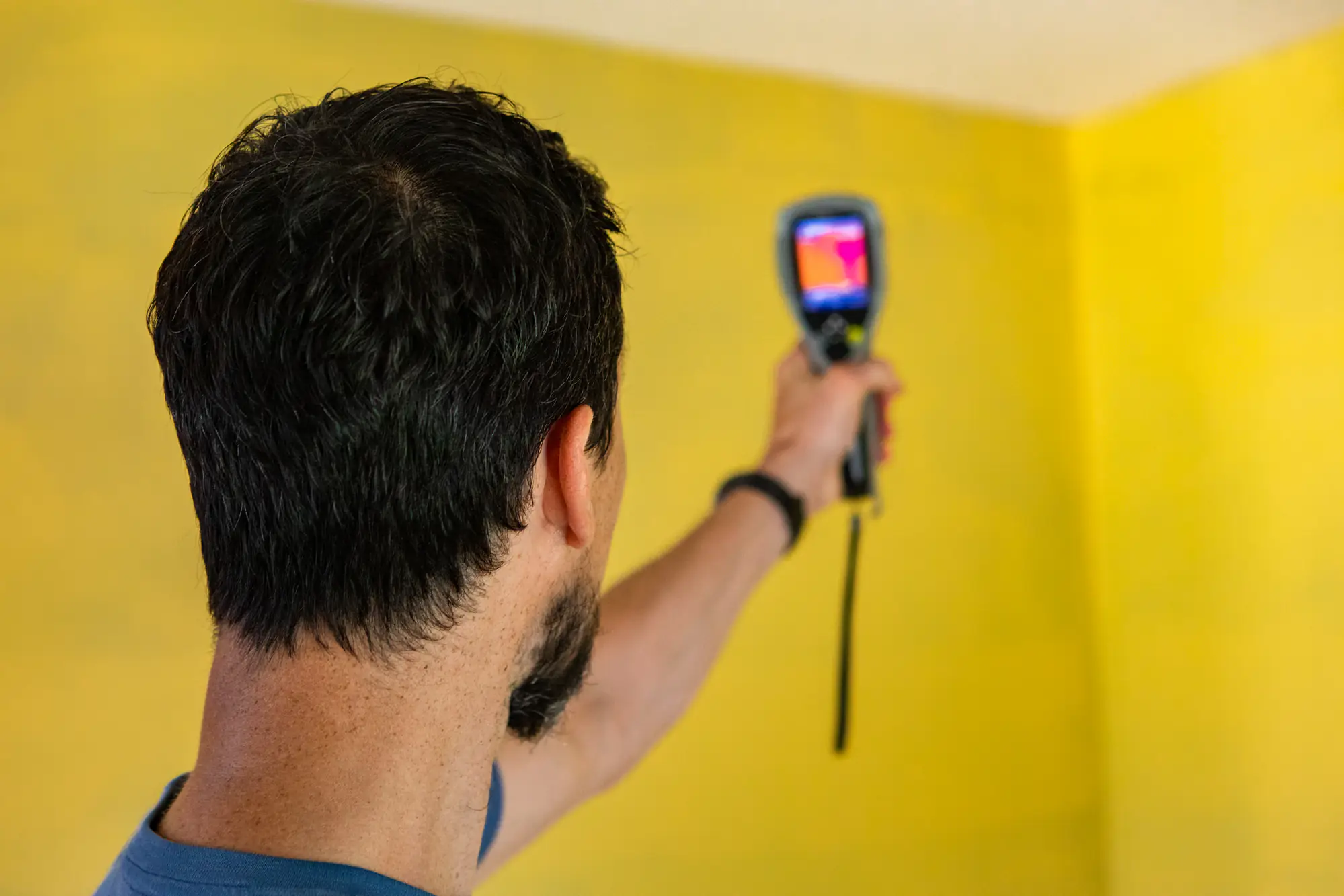
Moisture mapping with thermal imaging shows us where water is hiding. Many Bucks County homes have older foundations and roofing that develop small leaks over time. Finding the moisture source is just as important as finding the mold, because you can’t solve one without addressing the other.
You’ll receive documentation suitable for insurance claims or real estate transactions, plus a consultation that explains your results without technical jargon. We’ll answer your questions about health risks, remediation costs, and prevention strategies specific to your property and situation.
You need testing when you can’t see the source but notice signs something’s wrong. That includes musty odors that won’t go away, family members experiencing unexplained respiratory issues or headaches, visible water damage or past flooding, or if you’re buying or selling a home in an area prone to moisture problems.
Testing makes sense when you need facts, not guesses. If you see a small patch of surface mold on a bathroom tile, you probably don’t need a full inspection—you need better ventilation and a good cleaning. But if you smell mold and can’t find it, or if you’ve had water damage and want to confirm everything dried properly, testing gives you certainty.
It’s also worth considering if your home fits the profile for hidden mold growth. Older Andalusia properties with basements, homes near water sources, or houses with poor attic ventilation face higher risk. If you’ve noticed your energy bills climbing because you’re running dehumidifiers constantly, that’s another signal that moisture—and possibly mold—is becoming a chronic issue.
Air sampling measures the concentration of mold spores floating through your indoor air and compares it to outdoor levels. This tells us if you have an active mold problem somewhere in the house, even if we can’t see it yet. High indoor spore counts mean mold is releasing spores into your breathing space, which is the main health concern.
Surface testing involves taking samples from visible growth or suspicious areas to identify the specific type of mold present. This matters because not all mold is equally problematic. Some types are common and relatively harmless, while others produce mycotoxins that cause serious health issues and require immediate professional remediation.
Most thorough inspections use both methods. Air sampling catches what you can’t see, while surface testing identifies what you can. Together, they give you a complete picture of what’s happening in your home. You’ll know if elevated spore levels are coming from that basement corner or if there’s a hidden source behind your walls that needs attention.
The on-site inspection and sample collection typically takes two to three hours, depending on your home’s size and the number of areas we need to check. We’re thorough because missing a problem area means you don’t get accurate results. That time includes the visual inspection, air sampling, surface samples, and moisture mapping.
Lab analysis usually takes three to five business days. The samples go to an independent certified lab that identifies mold species and measures concentration levels. We don’t rush this because accuracy matters more than speed. You’re making decisions about your home and health based on these results.
Once we receive the lab report, we’ll schedule a time to review everything with you. This consultation usually takes about 30 minutes and covers what was found, what it means for your specific situation, and what your options are moving forward. You’ll leave with a written report and a clear understanding of any next steps, whether that’s remediation, minor repairs, or simple prevention measures.
Testing identifies what’s present and where it’s growing, which are the two main factors that determine remediation costs. Once we know the mold type, contamination level, and affected areas, we can give you an accurate estimate for removal and prevention work.
Small, contained areas of common mold might only need minor remediation that costs a few hundred dollars. Extensive growth behind walls or toxic black mold in your HVAC system requires more involved work with containment procedures, which costs more. The testing results let us scope the project accurately instead of guessing.
We’ll also identify the moisture source causing the problem, which affects your total investment. If you need a small plumbing repair versus major foundation waterproofing, that changes the picture significantly. The goal is giving you enough information to budget appropriately and avoid surprises. You’ll know what the full solution costs before any remediation work begins, and we can discuss options if you need to prioritize certain areas first.
Home test kits can tell you if mold spores are present, but they can’t tell you much beyond that. The reality is that mold spores exist in every home—what matters is the type, concentration, and whether you have active growth. Consumer kits don’t provide that level of detail or accuracy.
Professional testing uses calibrated equipment and certified lab analysis to identify specific mold species and measure contamination levels against established safety thresholds. We also locate the moisture source feeding the problem, which a DIY kit can’t do. Without finding and fixing the water issue, any remediation is temporary.
The bigger issue is that home kits often create more questions than answers. You’ll know something showed up on the test strip, but you won’t know if it’s a problem or what to do about it. Then you’re back to calling a professional anyway, except now you’ve spent money and time on incomplete information. If you’re concerned enough to test, it’s worth getting accurate results the first time so you can make informed decisions about your property.
First, we identify exactly what type of mold is present and how extensive the contamination is. Not every finding requires major remediation. Sometimes it’s surface-level growth that needs cleaning and better moisture control. Other times it’s a more serious issue requiring professional removal with containment procedures.
You’ll get a clear explanation of what the lab results mean for your situation. We’ll show you where the mold is growing, what’s causing it, and what level of response makes sense. If remediation is necessary, we’ll outline the scope of work, timeline, and cost before anything moves forward. You’re never pressured into immediate decisions.
We also help with the prevention side. Even after mold is removed, you need to address why it grew in the first place. That might mean fixing a leak, improving ventilation, adding a dehumidifier, or addressing drainage issues around your foundation. Pennsylvania’s climate means moisture management is ongoing, especially in Bucks County where humidity and precipitation create constant challenges. Our goal is solving the problem completely so you’re not dealing with recurring growth six months later.
Other Services we provide in Andalusia